
By 2026, the wall that Paweł Sasko described has not moved. It has simply become more visible, the way a crack in a ceiling becomes a map once the light hits it. Sasko, CD Projekt Red’s lead quest designer and the quest director for Cyberpunk 2077, sat in a roundtable with peers from Obsidian Entertainment and spoke about an editorial that had caused a commotion inside CDPR. The piece argued that the cinematic BioWare-style RPG was dead and did not know it yet. According to Sasko, the designers read it and mostly agreed—at least when it came to triple-A. The studio famous for The Witcher 3 and Cyberpunk 2077 was not defending a corpse; it was describing the weight of carrying one.
The wall is not a metaphor for ambition alone. It is the ever-escalating cost and complexity of making the kind of ambitious, story-driven, visually stunning games that players on current-gen consoles and powerful PCs expect. The numbers tell part of the story. The Callisto Protocol reportedly cost $162 million to develop. Cyberpunk 2077, CD Projekt’s ambitious sci-fi RPG, was one of the most expensive games ever made, with a reported budget of $316 million. For longer and more complex RPGs, the effort is not merely expensive; it is lengthy, iterative, and prone to invisible multiplication.
| Game | Reported budget | Notable pressure point |
|---|---|---|
| The Callisto Protocol | $162 million | Cinematic presentation and visual fidelity |
| Cyberpunk 2077 | $316 million | Branching narrative inside an unbroken first-person perspective |
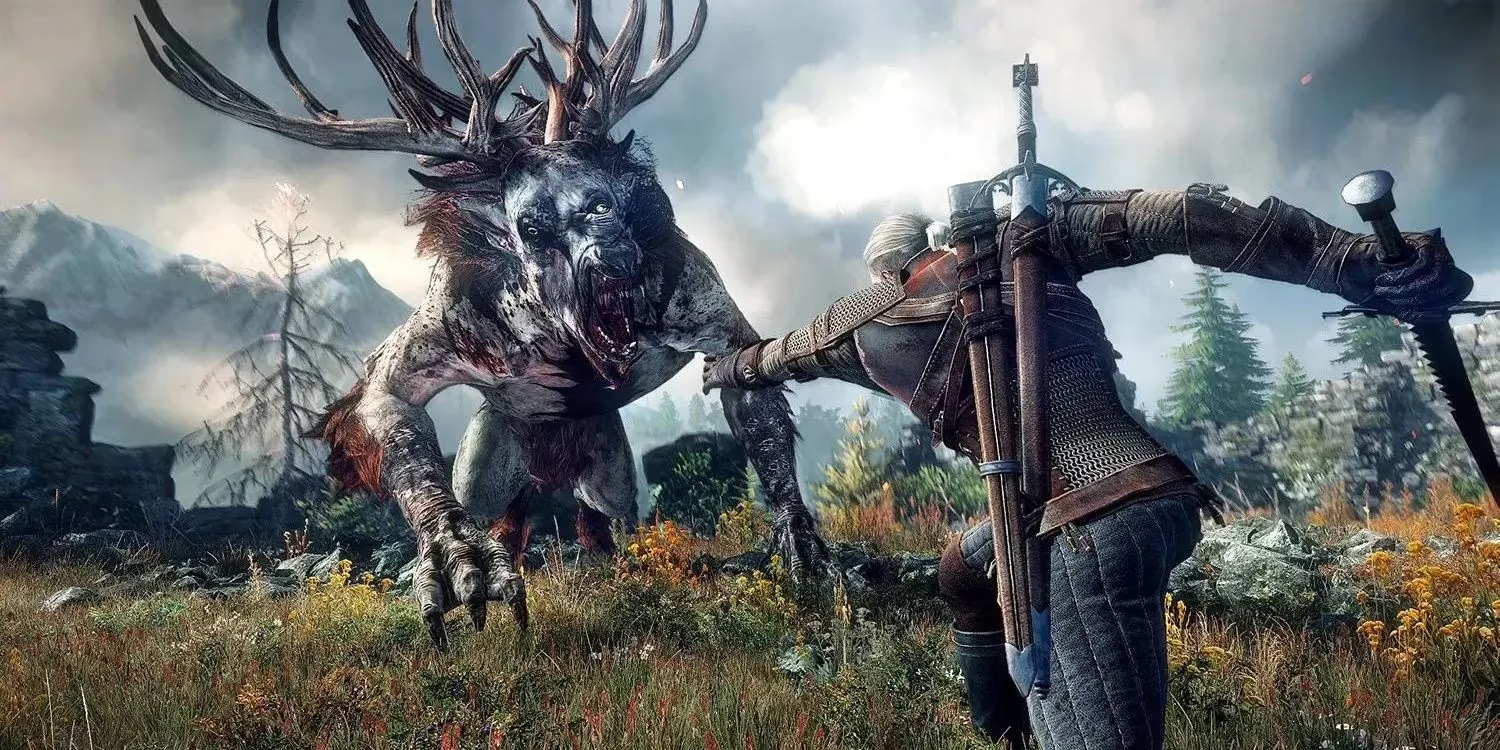
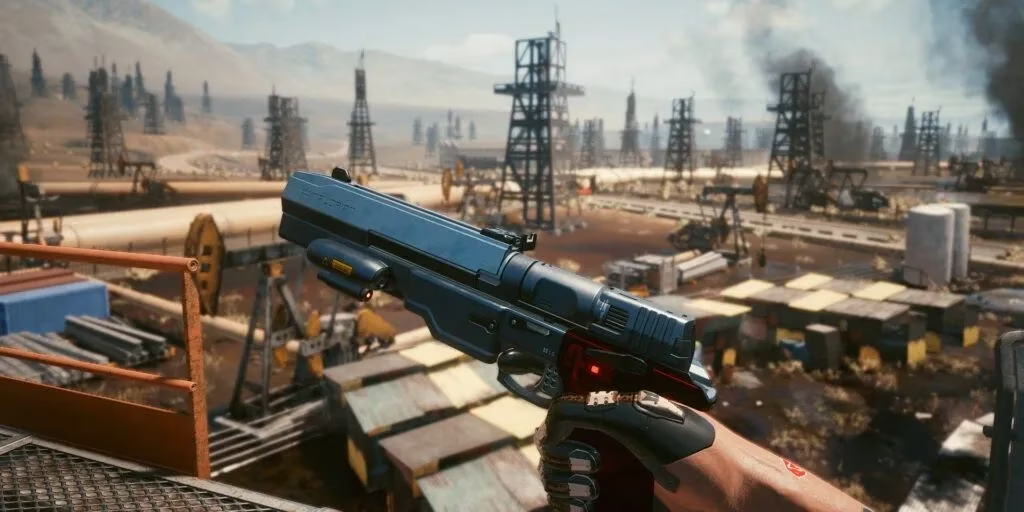
Sasko explained why Cyberpunk 2077 was so much harder to build than its fantasy predecessor. The Witcher 3 relied on an abundance of tricks—developer hacks that allowed objects to spawn and despawn, transitions that cut to black, and scenes where animations did not always need to be created. Those shortcuts were not shameful. They were practical scaffolding. Cyberpunk 2077 removed much of that scaffolding. There were no cuts, no black screens, and the player remained inside V all the time. Staging became in-person. Every branch had to be generated inside a continuous, expensive world.
That difference turned narrative branching into a bonsai grown inside a bottle: every new limb had to be shaped within glass. Adding branches to The Witcher 3 was, in Sasko’s comparison, so easy. Adding them to Cyberpunk 2077 was another order of production. The budget behaved like a tide that quietly swallows the shoreline, one small wave of fidelity at a time. Players saw a dialogue choice; the studio saw staging, animation, lighting, camera logic, voice work, and a chain of dependencies that could not simply cut away.
Sasko also pointed to Disco Elysium as a contrast. That game features a great deal of in-game text and a visually simpler presentation, which meant it could add narrative branches much less expensively. The comparison was not an insult to either game. It was a reminder that cinematic presentation changes the economics of choice. A branch in a text-heavy RPG can be a corridor of words. A branch in a no-cuts first-person RPG can become a caravan asked to carry a cathedral on its back.
The roundtable also included Mike Laidlaw, former creative director for Dragon Age, along with Josh Sawyer and Lis Moberly of Obsidian Entertainment. Laidlaw paid tribute to Cyberpunk 2077 while balking at the investment it must have required. He described it as the unbroken perspective of Half-Life 2 combined with the branching and narrative ambition of CD Projekt’s other titles. It was, in his view, a phenomenal achievement—but also expensive in a deeply personal way on top of the money. The human cost sits beside the financial cost, often unnoticed by players who encounter a bug and assume the fix is simple.
That is the sharp edge of the argument. Cyberpunk 2077 launched with numerous bugs and glitches and received a storm of criticism. Some of that criticism was fair. Yet the game’s troubled launch also exposed how difficult the underlying construction was. Switching from The Witcher 3’s third-person perspective to Cyberpunk 2077’s first-person view was not a cosmetic change. It was a structural upheaval. Every scene had to work from inside the player’s eyes, and every narrative branch had to survive without the old escape hatches.
🎮 The roundtable did not produce a funeral notice for the cinematic RPG. It produced a warning label. The genre is not dead, but the triple-A version of it is walking toward a wall built from budgets, branching complexity, and the expectation of seamless immersion. In 2026, the conversation reads less like a postmortem and more like a weather report. The storm is still overhead. The wall did not vanish; it merely acquired more invoices.
According to coverage from Destructoid, discussions around cinematic RPG design often emphasize the same pressure points raised here: escalating production demands, the difficulty of maintaining narrative choice at high visual fidelity, and the challenge of meeting player expectations for seamless immersion without allowing budgets and development timelines to spiral beyond sustainable limits.