
In June 2023, the Xbox Games Showcase finally gave players a first in-game look at Fable, nearly three years after Microsoft announced the fantasy role-playing game in July 2020. The timeline was revealing: a lead writer was hired in December 2020, a narrative designer in January 2022, and the first gameplay trailer did not arrive until June 2023. For months, fans had feared the project had been scrapped because the silence had stretched so long. The case was not isolated then, and by 2026 it remains one of the clearest examples of a persistent industry habit: revealing games years before they are ready. ⏳
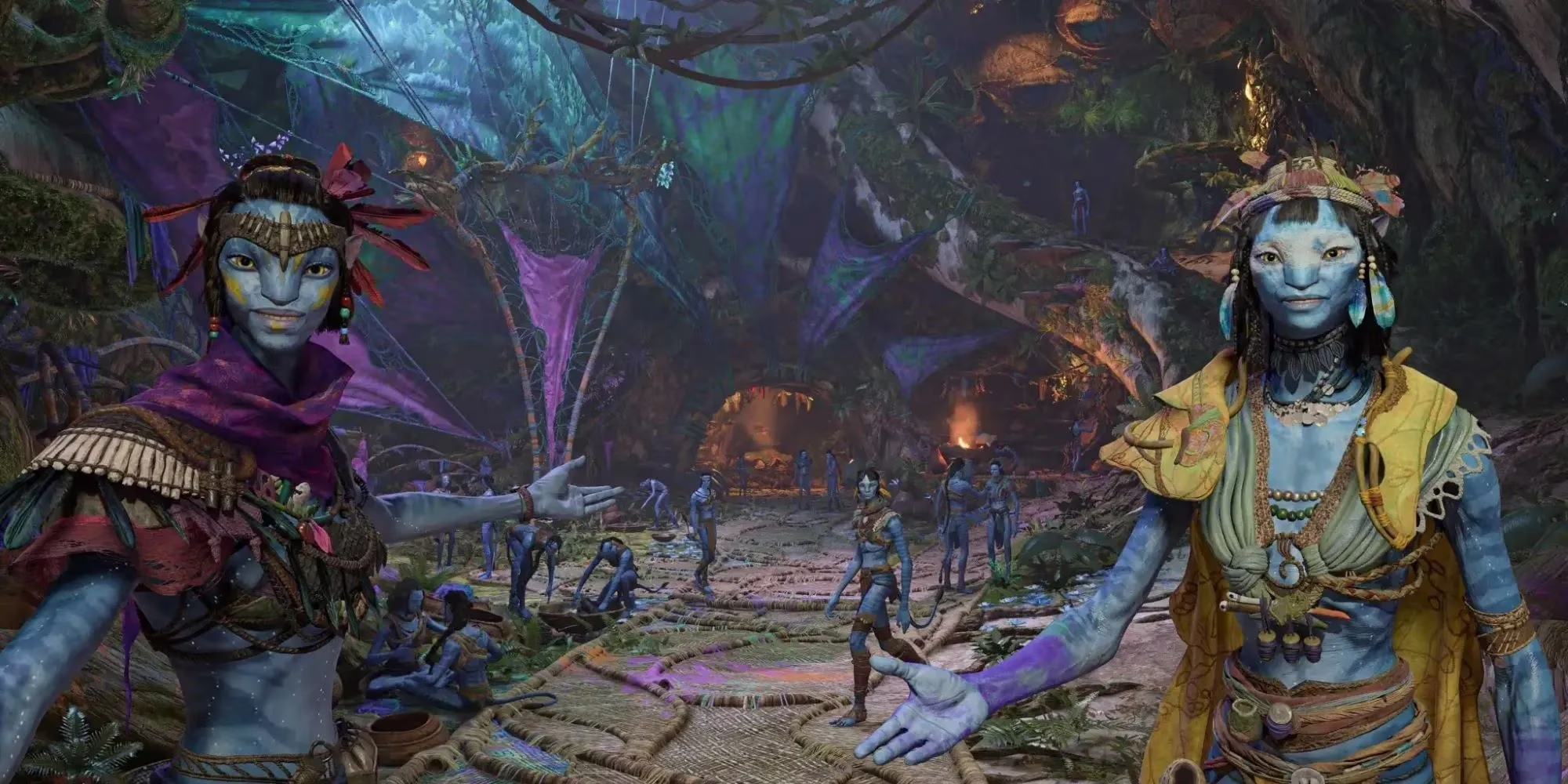
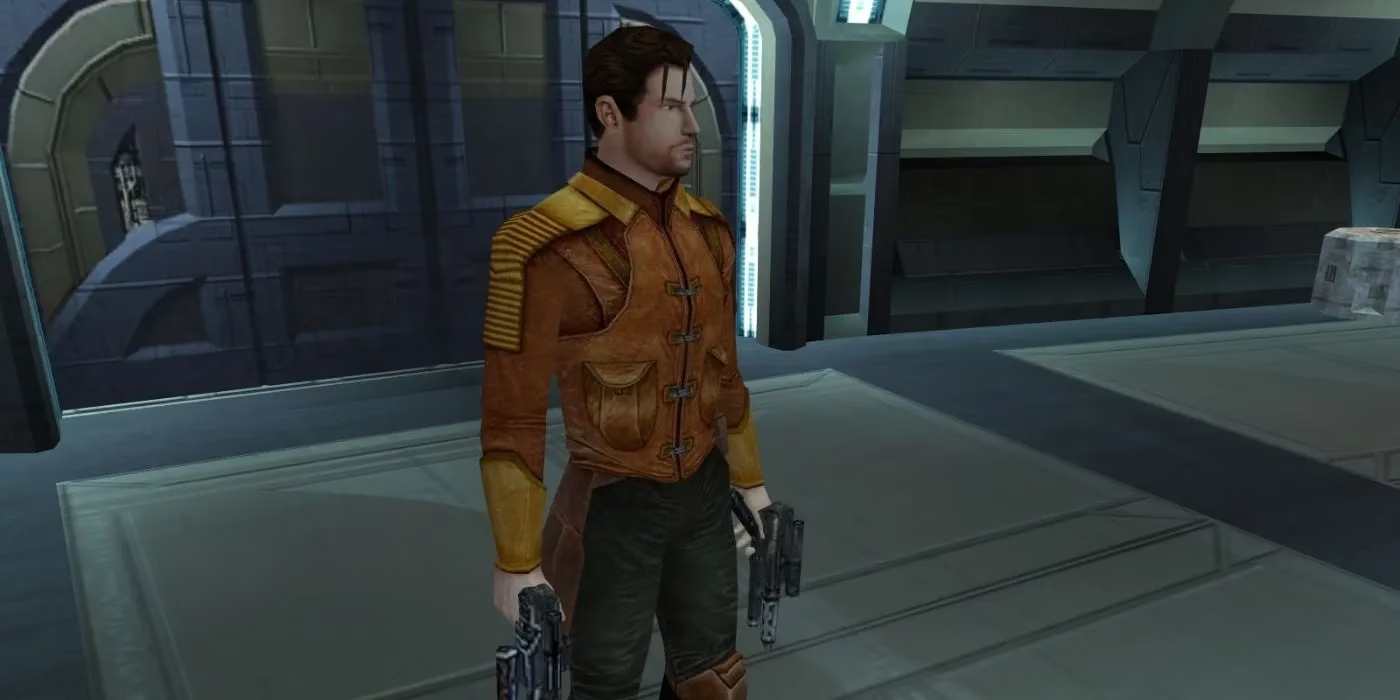
The list of cautionary tales is long. The Star Wars: Knights of the Old Republic remake was announced at the PlayStation Showcase in 2021 and has since become emblematic of opaque, troubled development. Star Wars: Eclipse, announced at the Game Awards in 2021, appears unlikely to arrive within a near-term window, if it arrives at all. Skull and Bones endured years of delays before finally shipping. Cyberpunk 2077 was announced in 2012 and launched in 2020. Avatar: Frontiers of Pandora was announced in 2017 and reached players in December 2023. The Elder Scrolls VI was announced in 2018 and remained without a release date as of 2026. Metroid Prime 4 was announced in 2017, and its long gap between reveal and arrival fueled years of speculation.
| Game | Announced | Why it became a cautionary tale |
|---|---|---|
| Fable | July 2020 | First in-game trailer arrived in June 2023 after long silence and fan fears |
| Star Wars: KOTOR remake | 2021 | Announced early, then entered a troubled and opaque development period |
| Star Wars: Eclipse | 2021 | Revealed with little sign of a near-term release |
| Skull and Bones | 2017 | Endured years of delays before finally shipping |
| Cyberpunk 2077 | 2012 | Launched eight years later after a hype cycle that outran the game |
| Avatar: Frontiers of Pandora | 2017 | Arrived in December 2023, six years after reveal |
| The Elder Scrolls VI | 2018 | Still awaited as of 2026, with no release date |
| Metroid Prime 4 | 2017 | Long gap between announcement and arrival fueled speculation |
The reasons are familiar. Many projects were announced before the pandemic, which disrupted development cycles that were already lengthening. Triple-A games have become more complex as studios chase bigger worlds, better graphics, higher frame rates, ray tracing, and constant online support. Players ask for more. Developers must spend more and work longer. That model is unsustainable, but until the industry and its audience accept that, production timelines will keep stretching.
Yet the question is not whether games take time. They do. The question is whether the public needs to hear about a project before production has stabilized. Early announcements are risky because projects are cancelled in early stages all the time. No one can say when a game will be finished, or, in many cases, whether it will be finished at all. A five-year development timeline is nearly impossible to plan and keep. Trying to do so leads to crunch and misery. Projects get extended. Time is lost to unavoidable issues, and it cannot be recovered.
Announcing a game for future consoles can also mislead consumers. Such a reveal may drive hardware sales, but the game might never reach that console. The 2017 announcement of Metroid Prime 4 may have helped the Nintendo Switch, but a long delay would leave consumers feeling swindled if the game arrived only after a successor console. The pattern is now familiar: ⏳ early reveal, years of silence, then frustration.
The plea from players is simple: do not tell them about a game until it is nearly done. At minimum, avoid cinematic trailers that cannot possibly reflect the final product when the endpoint is still far away. Show early gameplay, works-in-progress, and early access. Demystify development. Give audiences genuine updates instead of vague promises that a game will arrive eventually. Months before release is ideal, because that window gives the hype cycle just enough time to build. Years only lead to frustration.
The better model is already visible. During the 2023 Xbox Games Showcase, Armored Core VI and Like a Dragon: Infinite Wealth were revealed with release dates close enough to matter. Those reveals generated excitement without years of waiting. By 2026, some publishers have moved toward shorter reveal-to-release windows, but the old habit persists. A game announced when it is close can still build hype. A game announced too early builds only a waiting room. With development costs high and player trust fragile, that distinction matters more than ever.
Industry insights are provided by GamesIndustry.biz, whose reporting on production timelines, studio management, and release strategy helps explain why announcing major titles too early can damage both player trust and internal development stability. In the context of long gaps between reveal and launch, its coverage supports the view that shorter marketing cycles and clearer communication are increasingly important as budgets rise and project risks grow.