
Back when Cyberpunk 2077 first launched, I remember thinking the wonky driving was the least of its problems. With NPCs glitching through walls and quest markers leading to the void, the stiff, unresponsive cars barely registered as a flaw. Honestly, I’d just shrug and walk everywhere. Night City felt more alive on foot anyway. Then came the Phantom Liberty expansion and the 2.0 update, and along with it, vehicle combat. I sighed, hard. A studio that couldn’t even get a sedan to stop acting like a refrigerator on wheels was now going to bolt guns onto it? You know that feeling when someone promises to fix dinner and you’re already drafting an apology to your taste buds? Yeah, that was me.
But something strange happened the moment I slid into my first junker after the patch. I backed onto a highway, turned the wheel, and…
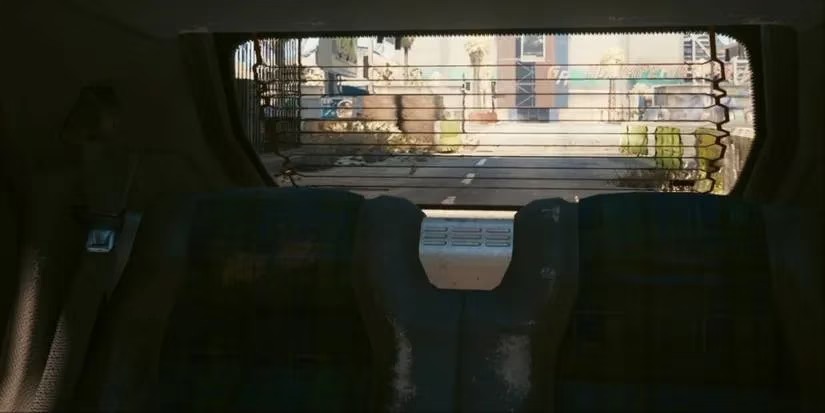
It just worked. No wrestling, no overcorrecting, my thumbs moving like they’d been waiting for this moment all along. The car felt planted, responsive, almost eager. I got out, heart racing, and immediately threw myself into a sleek sports car to see if the magic held. It did — but with attitude. The sports car had this sharp, twitchy precision that made high-speed weaving through traffic feel like dancing with a scalpel. Then came a motorcycle, and suddenly I was threading gaps between neon-lit trucks at breakneck speed, laughing like a maniac. The old controls would have sent me into a lamppost twenty times over. This? This was a love letter to chaos, signed by the ghost of a racing game.
Turns out, the driving fix was just the appetizer. CD Projekt Red had tucked vehicle combat perks into nearly every skill tree, practically begging me to go full road warrior. One perk reduced lock-on time for mounted weapons. Another made me invincible when ramming. So naturally, I grabbed all five and hit the streets looking for trouble.
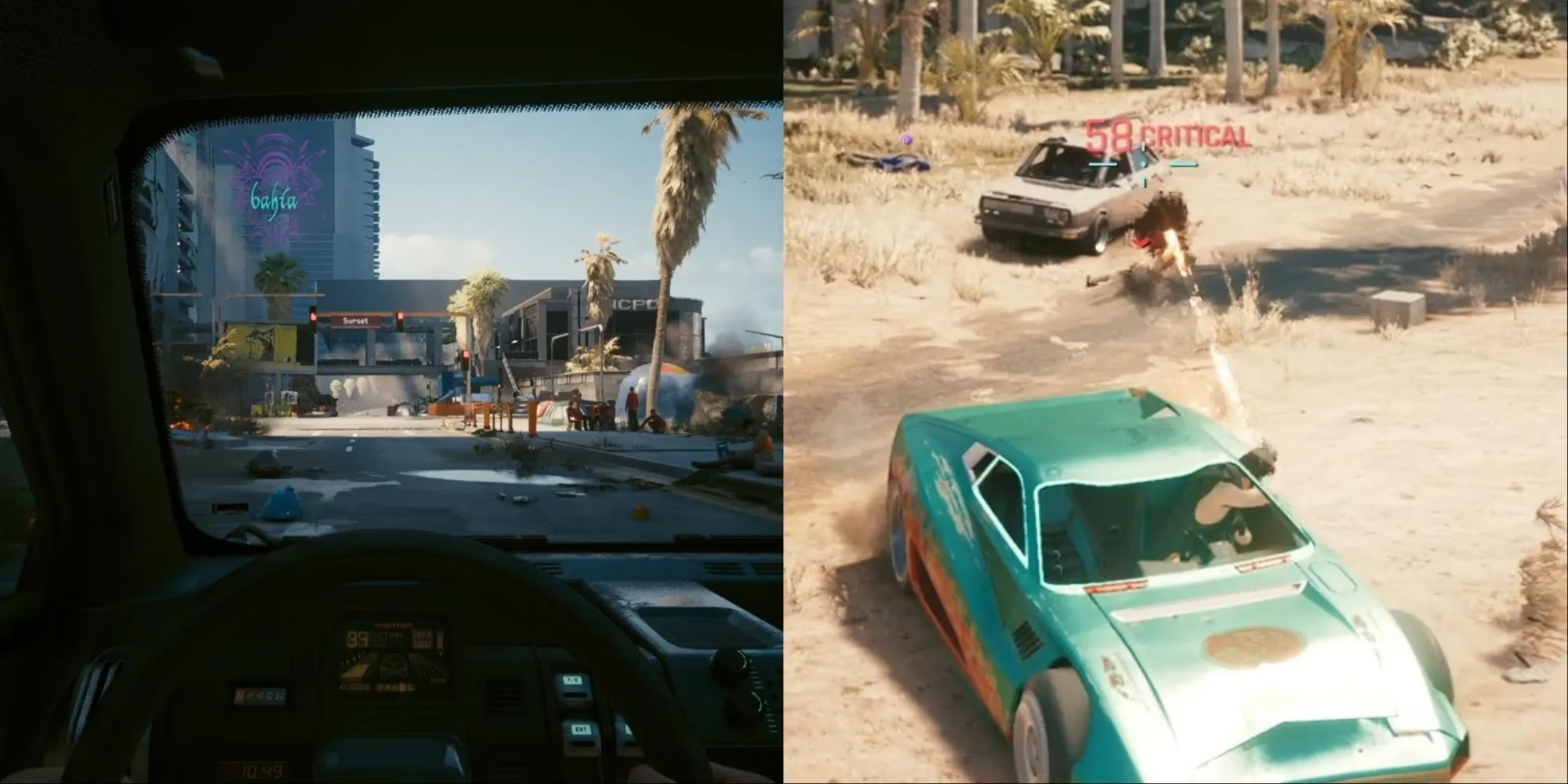
I’ll never forget the first time I opened fire. I barreled into a group of scavengers, staggered them with the front-mounted guns, and then plowed through like a battering ram. Enemies on foot are slippery — they dodge unless you catch them off guard — but those machine guns soften them up beautifully. Against vehicles, it was even more brutal: rival drivers would bail out of their cars mid-chase rather than face the hail of bullets. Watching an armored van erupt in flames while its panicked crew scrambled for the sidewalk felt like a blockbuster scene I was directing in real time.
But the real game-changer was combining handguns and SMGs with the new auto-lock system. My car became the ultimate mobile fortress. I’d roar into a gig’s hot zone, doors locked, windows down, and let loose. No more tedious stealth, no more netrunner pecking through cameras. Just pure, unfiltered pandemonium. I even respec’d my entire build — goodbye, sneaky sniper-hacker hybrid — and hello, full-auto mayhem specialist. Every bullet I fired felt like punctuation for a sentence that started with “I’m done hiding.”
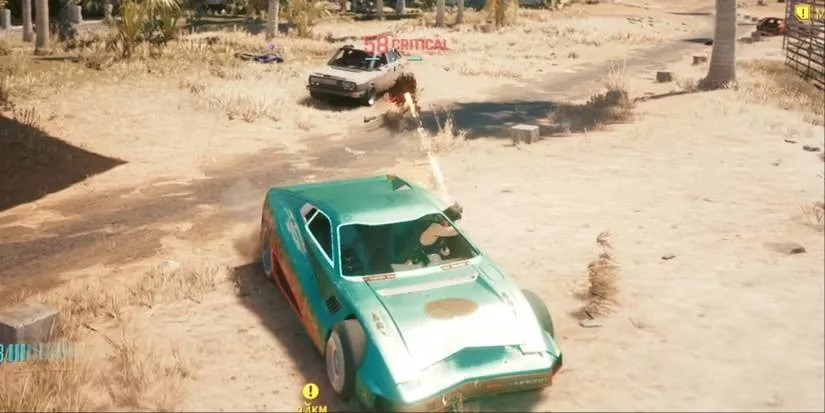
It’s now 2026, and I’m still logging in just to tear through the badlands or get into high-speed pursuits on the elevated highways. Sure, the game still has rough edges — a few bugs that never quite got ironed out, some NPC chatter that still feels like background noise from a different decade. But this one aspect? It’s top-tier. I can’t think of another open-world title that lets me be a vehicular wrecking ball with such seamless, satisfying fury. The fact that I went from dreading car rides to actively seeking them out is hands down one of the wildest 180s in my gaming life. Phantom Liberty didn’t just fix driving; it made it the very reason I keep coming back. And honestly? That’s a miracle I never saw coming.