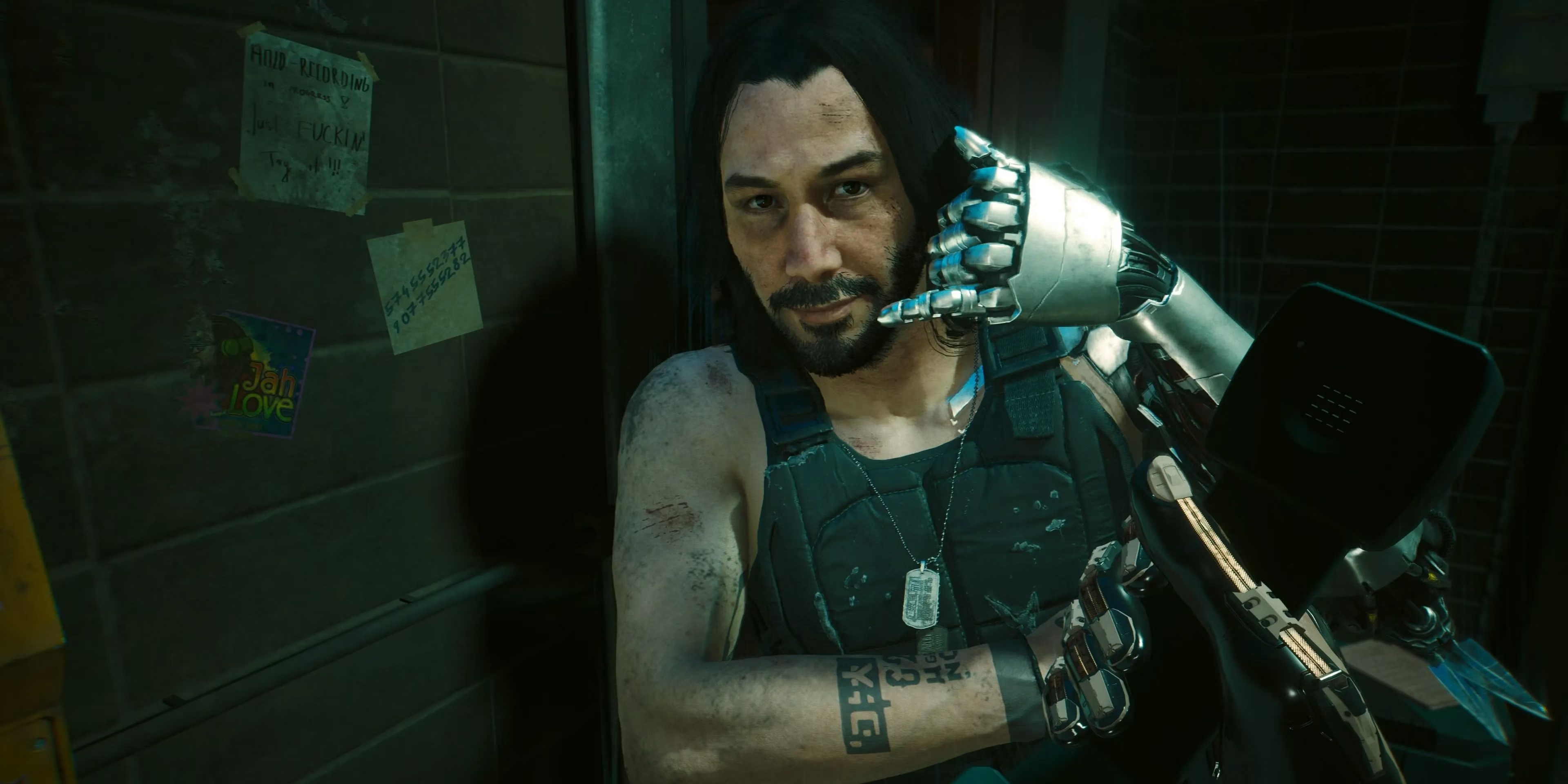
CD Projekt RED, bless their overachieving hearts, have a habit of turning expansion packs into full-blown second helpings of greatness. Both The Witcher 3 and Cyberpunk 2077 were already feast-sized games, yet somehow the studio squeezed entire new kingdoms, spy thrillers, and enough side quests to choke a leshen into their DLCs. It’s almost unfair to compare them—almost. But since the internet demands bloodsport, it’s time to pit Phantom Liberty against Blood and Wine (with a little help from Hearts of Stone) and see which expansion truly wears the crown. The contestants have limbered up, the fanboy forums are already smoking, and the referee—a cackling, probably-drunk Johnny Silverhand—is waving everyone into the ring.
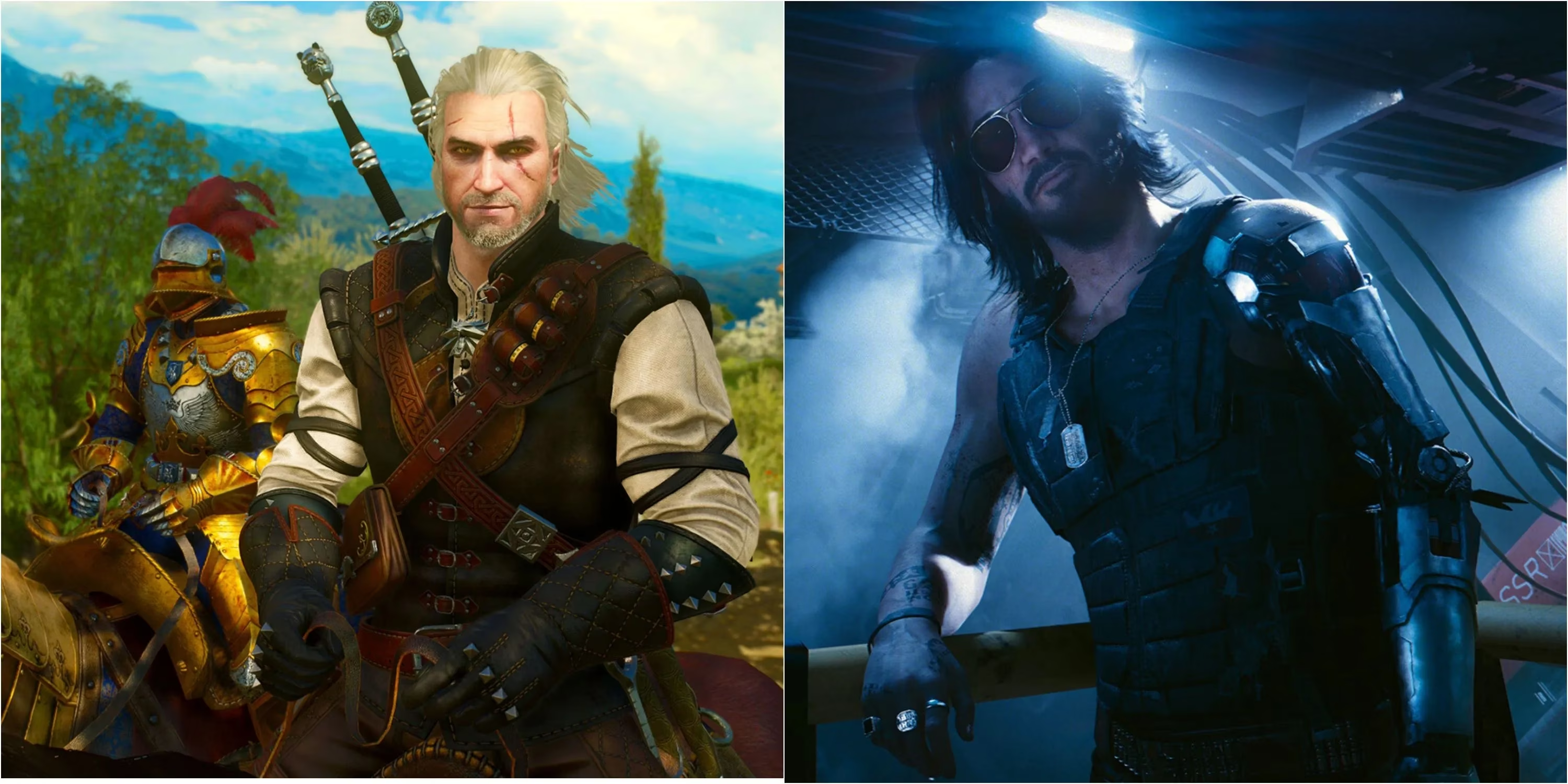
Let’s start by stretching the map—literally. Phantom Liberty introduces Dogtown, a lawless, sun-scorched district ruled by a warlord with a permanent scowl. It’s big, diverse, and comes alive with the whine of airdashes and the rumble of stolen cars. But here’s the thing: players still measure it in city blocks, and while it fleshes out Night City beautifully, it’s essentially a very angry borough. Meanwhile, The Witcher 3’s Blood and Wine casually plops an entire fairy-tale duchy onto the table. Toussaint isn’t just a new zone; it’s a wine-soaked, vampire-infested vacation destination that feels larger than some standalone RPGs. And you’ll explore it all on horseback, not at 150 miles per hour in a Quadra. The sheer square footage of vineyards, mountains, and sun-dappled fields wins this round so decisively that even Roach would neigh in approval.

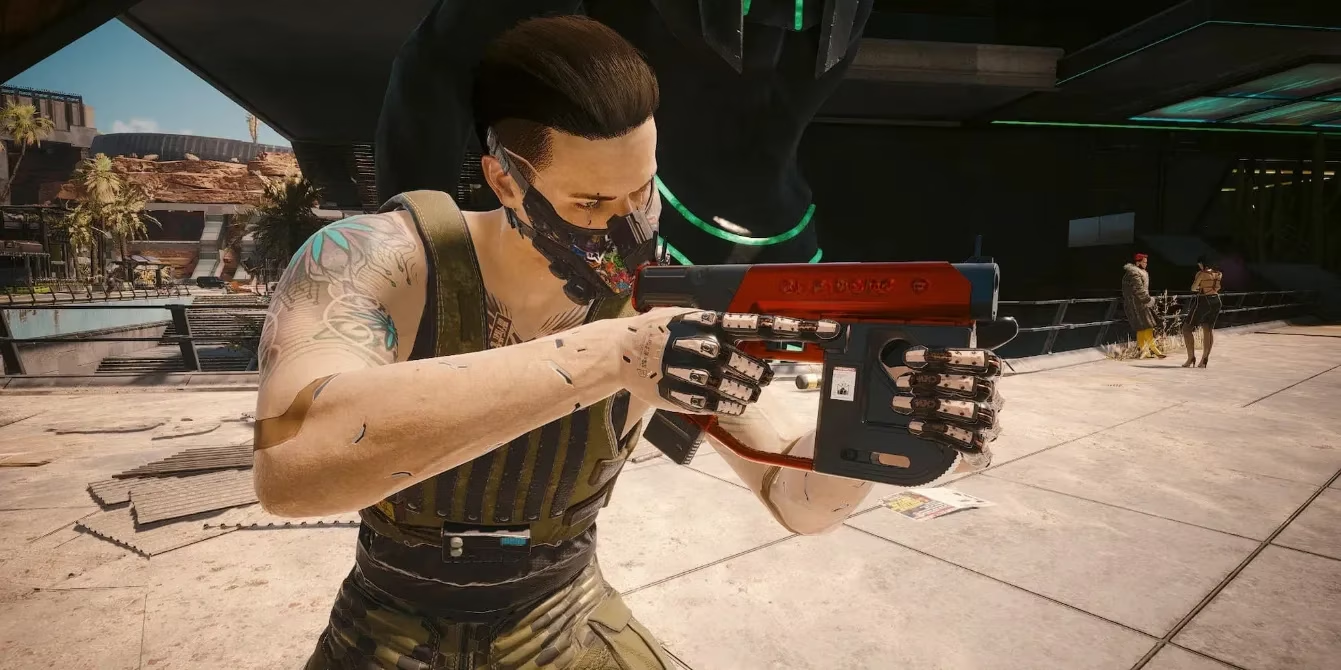
Now, let’s talk toys. Cyberpunk 2077: Phantom Liberty practically throws an armory at V. We’re talking Iconic weapons that cackle with electricity, smart guns that do the aiming for you, and monowires that turn encounters into horror movies for the bad guys. Every playthrough can feel distinct when you’re deciding between a shotgun that sets people on fire or a katana that makes you a phantom ninja. In contrast, Geralt’s gear in the Witcher expansions stays loyal to the classics—steel for humans, silver for monsters, and the occasional crossbow that mostly just tickles drowners. The weapons are fine, but nobody’s writing love letters to a slightly different sword pommel. The creativity and variety of Cyberpunk’s arsenal turn V into a walking, chrome-plated show-off, and honestly, it’s not even close.
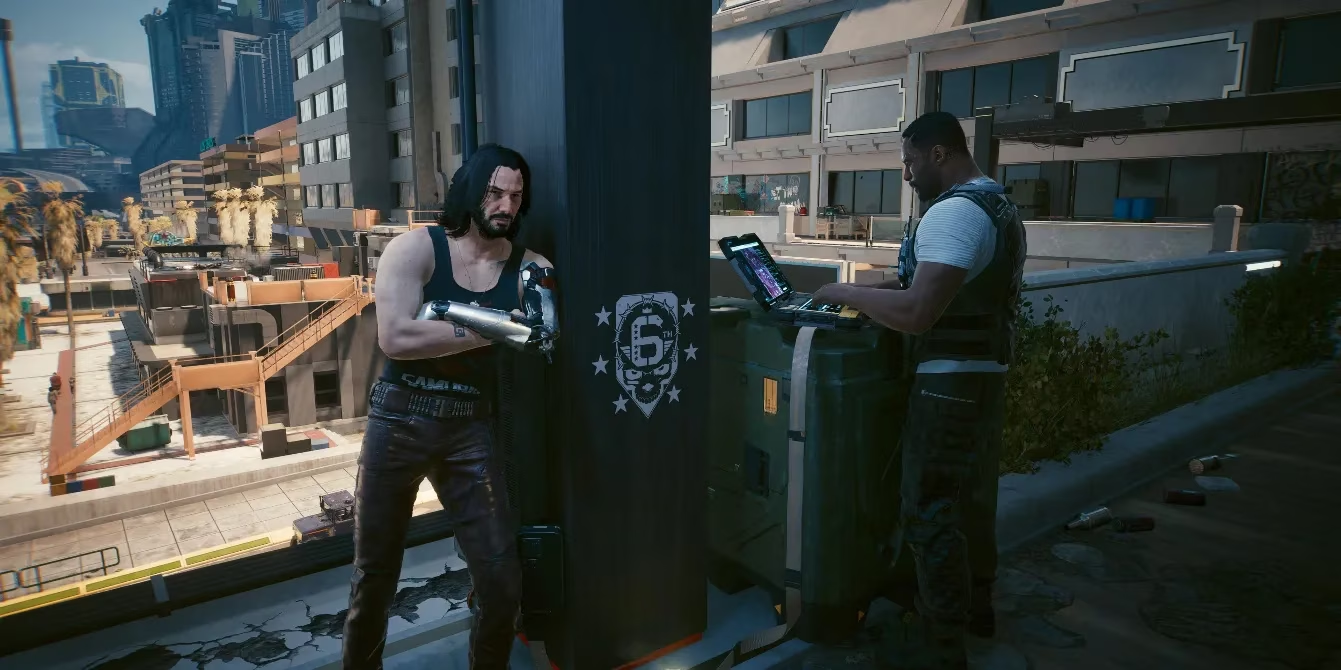
But guns don’t tell stories—characters do, and Phantom Liberty’s cast is a knockout. Rosalind Myers, the NUSA president, strides in with the weight of a collapsing nation, while Solomon Reed, brought to life by Idris Elba’s gravitational pull, makes you question every ounce of loyalty within V. Keanu Reeves’ Johnny Silverhand is, well, Johnny Silverhand—a digital ghost who’s equal parts bad influence and sad poetry. Even the side gigs are peppered with faces that feel like they’ve got whole lives happening just off-screen. The Witcher 3’s expansions give us the wonderful Emiel Regis, a higher vampire who’d charm the fangs off a bruxa, and old friends like Shani, but most characters drift in and out like guests at a banquet. CDPR’s writing in Night City gives everyone ambition, moral duct tape, and consequences you can feel in your gut. This round belongs to the spy drama.
Length? That’s where The Witcher 3 sucker-punches back. Phantom Liberty adds a respectable 20 to 30 hours, sometimes more if you’re the type to read every shard and chase every smuggler cache. But Blood and Wine and Hearts of Stone combined? You’re looking at 50 hours, easy. Blood and Wine alone is a 30-hour beast that practically kidnaps you into a gothic fairytale. It’s the kind of content that makes you forget what daylight looks like, and in 2026, with new games vying for attention every week, that kind of commitment is both insane and magnificent. So if you’re after sheer, value-for-money clock-punching, Geralt’s adventure still holds the griffin-sized trophy.
Now for the messy part: storytelling and choices. Phantom Liberty is a paranoid, breathless spy thriller where trusting anyone—including Songbird, the netrunner with a silver tongue—feels like cuddling a cyberpsycho. The main plot coils around V’s desperation for a cure, political bombshells, and a finale that can rewrite your entire game. The Witcher 3’s expansions are lighter in tone, albeit with Gaunter O’Dimm lurking in Hearts of Stone like the world’s most terrifying debt collector. But here the duel splits: Cyberpunk’s main story is tighter and more emotionally devastating, while the Witcher’s side missions are wackier, weirder, and unpredictably hilarious. It’s a draw on narrative, but when it comes to choices actually biting back, Cyberpunk 2077 wins. Almost every decision V makes can leave someone dead, betrayed, or staring at a wall in existential silence. Geralt rarely faces that level of closing-credit carnage.
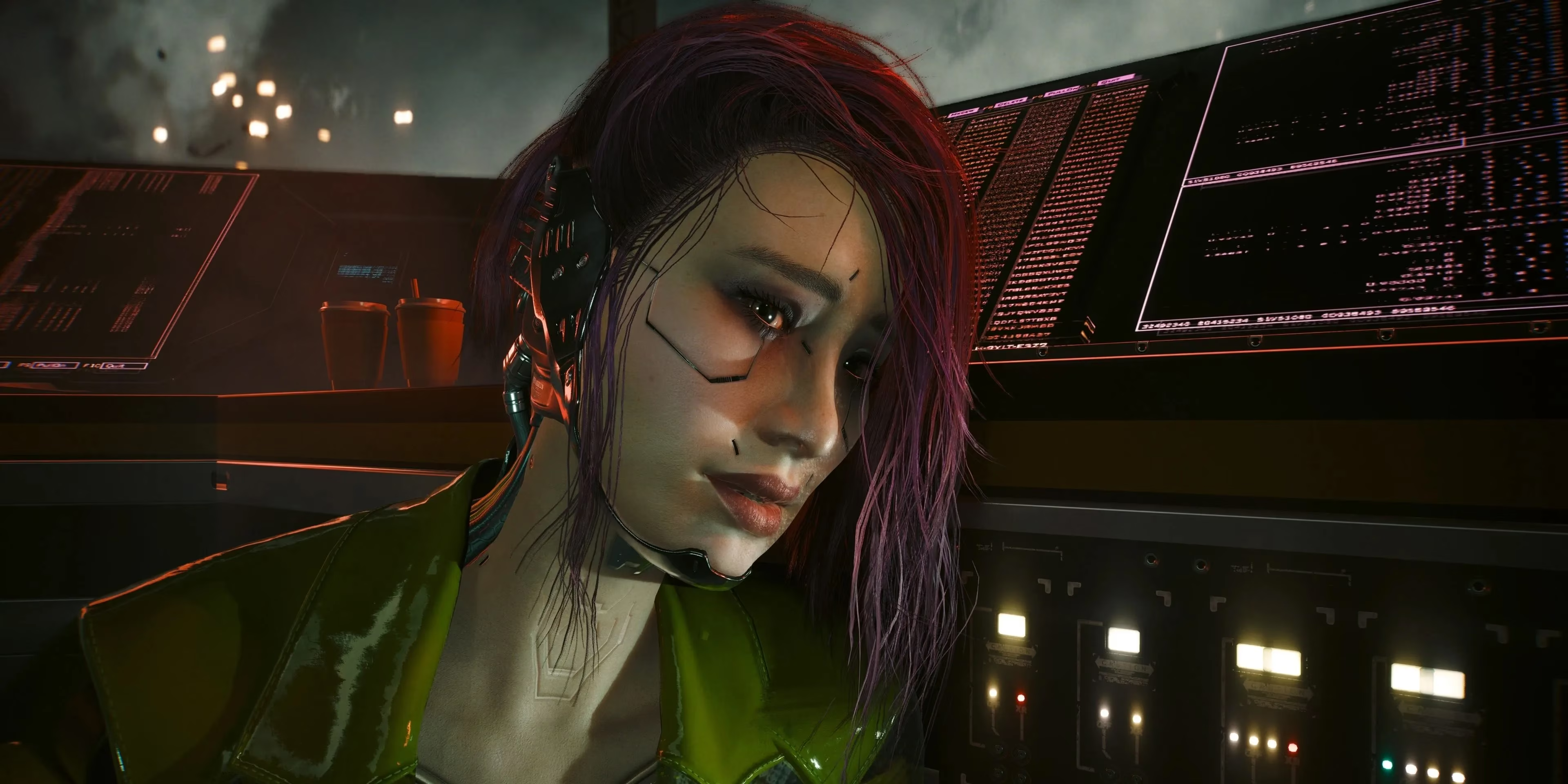
So who gets the laurel? It’s subjective, of course, and fans of slaying drowners in Toussaint will fight to the last bottle of Est Est. But context matters in 2026. Phantom Liberty arrived after Cyberpunk 2077’s catastrophic launch, carrying the weight of a studio’s redemption on its chrome-plated shoulders. It delivered not just a stellar expansion, but also Update 2.0, which fundamentally revitalized the base game. It gave players a new ending for V that felt earned, characters who linger in the mind like a catchy scream-sheet headline, and a gritty, layered district that still holds secrets three years after release. It proved that CD Projekt RED could pour agony, love, and sheer talent into one last ride and come out the other side with their legacy intact. For that, Phantom Liberty deserves the crown—although Regis and a glass of Sangreal will always be welcome at the victory party.